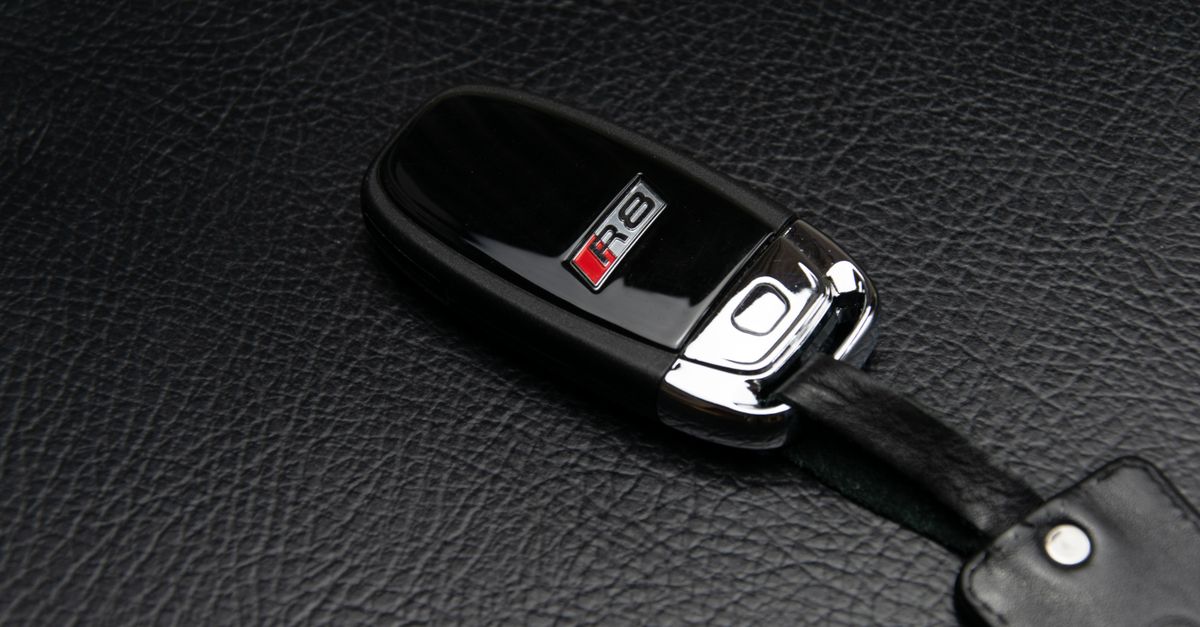
Audi Car Key Replacement: What Makes Audi Keys Different From Standard Keys
Modern Audi keys are not simply cut pieces of metal — they are layered security devices. Older Audi models use a basic transponder key, which houses a microchip that must be recognized by the vehicle's ECU before the engine will start. Mid-generation models introduced rolling-code remote key fobs that combine the transponder function with lock, unlock, and trunk-release buttons. Newer Audi vehicles use proximity smart keys, sometimes called comfort keys or keyless-go systems, that allow push-button starting as long as the fob is within a defined range of the vehicle. Each generation requires a different programming procedure, different cutting equipment, and in many cases unique OEM or OEM-equivalent key blanks.
Because each Audi key is paired to a specific vehicle identification number and immobilizer profile, simply cutting a new key blank to the correct profile is only half the job. The chip or smart key module must also be programmed — a process that requires professional-grade automotive diagnostic software. Our technicians carry the equipment to read Audi key data, generate replacement transponder credentials, and write that data to a new key, all roadside or in your driveway. This is why Audi key replacement is a specialist service and not something a general hardware store can perform.