How Ignition Cylinders Fail — and Why the Right Fix Matters
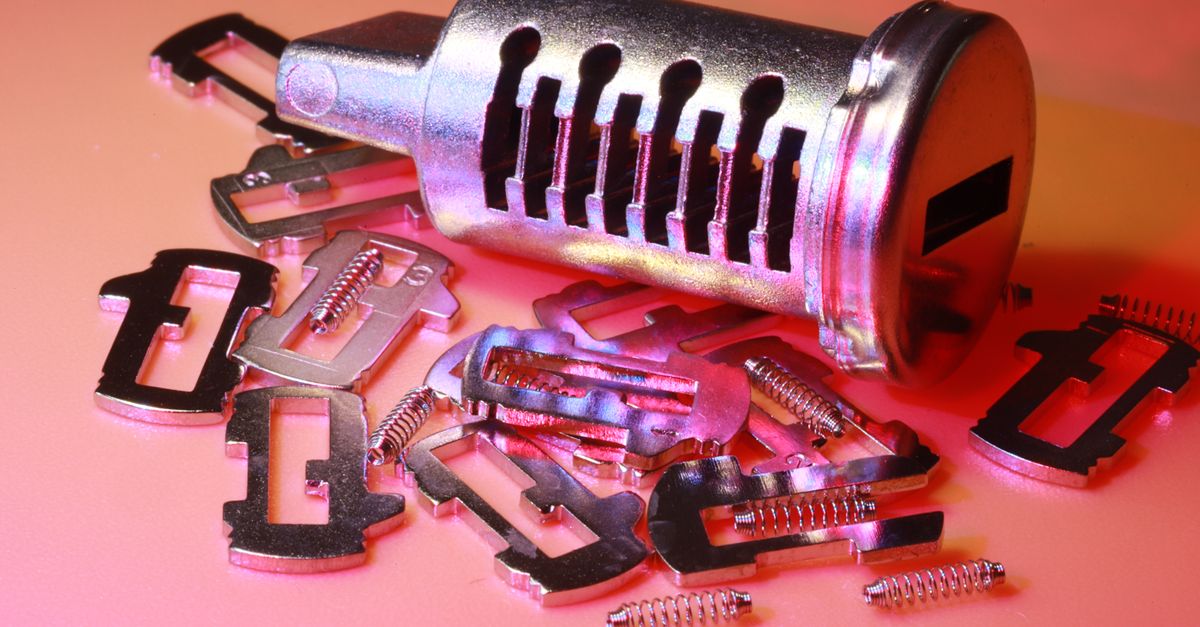
Ignition cylinders endure more daily mechanical stress than almost any other component in your vehicle. Every key insertion, every turn, and every key extraction slowly wears down the internal wafers or pins that must align precisely for the cylinder to rotate. Over months and years — especially on high-mileage vehicles — those wafers develop flat spots, corrode, or crack. The result is a key that turns harder than it once did, a cylinder that locks up mid-turn, or, in the worst cases, a situation where the key will not come out at all. Attempting to force a seized cylinder with excessive torque is one of the most common ways drivers accidentally snap a key inside the ignition, compounding a manageable repair into a more involved extraction job.
Understanding the failure mode matters because it determines the correct repair strategy. A lightly worn cylinder may only need internal wafer replacement — preserving your existing key — while a fully cracked or corroded cylinder calls for complete replacement. When we replace the cylinder, we have two paths: replacing it with a new unit keyed differently and cutting you a new key, or rekeying the replacement to match your current key so you keep one key for the ignition and the door locks. Our technicians assess the condition on-site and walk you through both options before any work begins.