How Sliding Door Locks Work — and Why They Fail
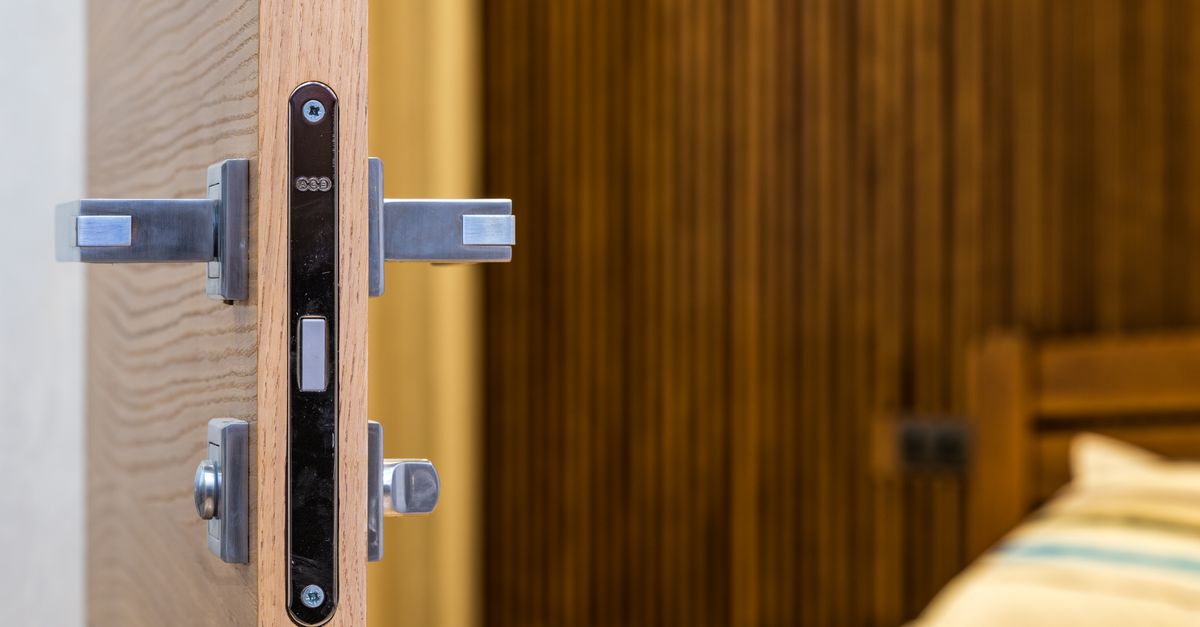
Most residential sliding doors use a latch-style hook lock or a foot bolt, while many older patio doors rely on a simple pin-and-groove setup that offers minimal real security. Commercial sliding doors — think the automatic or manually operated glass doors common in Naperville's office parks along Diehl Road — are more likely to incorporate a sliding door mortise lock, a self-contained unit that sits inside a precisely routed channel in the door stile and combines a latch bolt, a deadbolt, and sometimes a roller-cam in a single cartridge. Both styles wear out for predictable reasons: the steel rollers on the door track develop flat spots, causing the door to sag and misalign the lock's strike plate; the latch bolt corrodes or bends from repeated slamming; or the cylinder itself becomes loose and eventually stops turning. Any of these conditions turns a secure entry point into a vulnerability, and all of them are repairable without replacing the entire door — provided the right technician handles the work.
Naperville's climate doesn't help. Freeze-thaw cycles every winter cause door frames to contract and expand, which throws tolerances off by fractions of an inch — enough to make a mortise lock stiff in January and sloppy by August. Our technicians are familiar with this seasonal drift, and when we diagnose a sliding door problem we check frame alignment first, because fixing the lock while leaving a warped frame unsolved just leads to a callback six months later.